
Healthier Herds Across Georgia: How Natural Rock Salt Enhances Cattle Performance, iran cattle rock salt manufacturer, supplier.

Georgia’s Growing Cattle Industry
Georgia, located between Eastern Europe and the Caucasus Mountains, is home to one of the fastest-developing cattle farming sectors in the region. Livestock operations in areas such as Kakheti, Kvemo Kartli, and Samegrelo increasingly emphasize sustainability and natural mineral supplementation instead of chemical boosters. Over the last decade, Georgian beef and dairy exports have grown consistently due to consumers’ demand for naturally raised, traceable, and antibiotic-free meat.
The country’s mixed climate—from alpine grasslands to semi-arid valleys—creates diverse mineral patterns in the soil that affect pasture quality. Many grazing regions lack sufficient sodium, resulting in reduced appetite, lower weight gain, and decreased fertility among cattle. Sodium and chloride minerals play a central role in feed conversion and energy metabolism; hence, supplementing herds with untreated natural rock salt restores balance without disturbing grass biodiversity.
As Georgia moves toward EU-standard sustainable livestock practices, more farmers now purchase high-purity natural rock salt imported from Iran. This simple mineral input strengthens herd health, increases average daily gain, and helps meet organic certification criteria. By switching to natural mineral support, Georgian farms demonstrate how nutrition-focused management can boost productivity while fully respecting environmental policies.
Why Natural Rock Salt Matters for Cattle Health
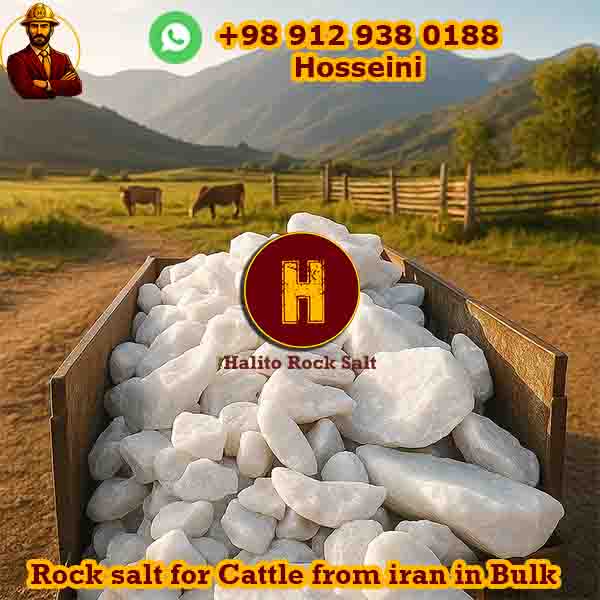
Cattle productivity depends directly on mineral balance, water retention, and metabolic efficiency—three factors that natural rock salt addresses better than synthetic supplements. Unlike industrial feed additives, rock salt offers essential minerals in their native crystalline form, allowing the animal’s body to absorb sodium, magnesium, and trace elements gradually and effectively. This gentle absorption supports core physiological processes such as digestion, nerve signaling, and hormonal regulation—key drivers of fertility and growth performance.
In Georgia’s climate, where humidity fluctuates from coastal to mountain regions, cattle frequently encounter electrolyte imbalance. Natural rock salt replenishes sodium chloride lost through sweat and urine, restoring osmotic stability within blood plasma. This directly enhances appetite, hydration control, and grass intake efficiency. Moreover, the purity of Iranian rock salt means fewer insoluble residues and higher mineral bioavailability compared to refined salts that contain anti-caking agents.
Healthier cattle translate into higher fertility rates, improved weight gain, and reduced veterinary intervention. Farmers using rock salt blocks or granules observe steadier rumen activity and better forage conversion ratios. In essence, natural rock salt doesn’t act as a chemical enhancer—it empowers the animal’s own biological systems for optimal performance and immunity, forming the foundation of sustainable livestock management across Georgia.
Improved Grazing Efficiency and Nutrient Absorption
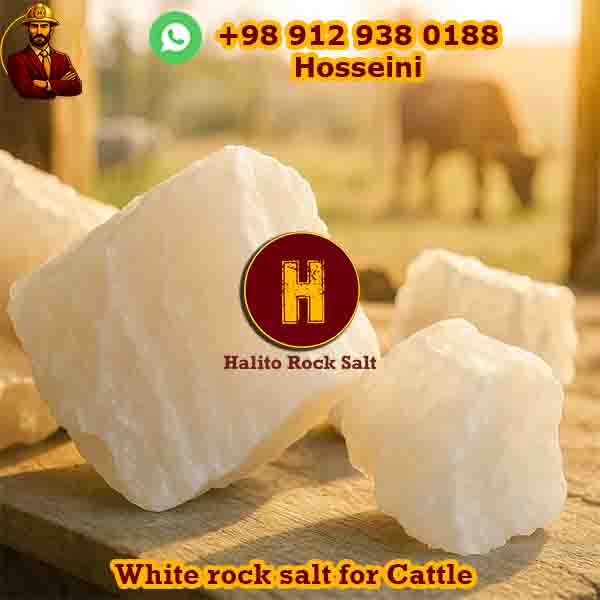
Efficient grazing is the cornerstone of profitable cattle farming, and mineral balance plays a decisive role in how well animals convert grass into energy. In Georgia’s pastures—ranging from humid lowlands to dry mountain fields—natural rock salt supplementation enhances grazing behavior by stimulating saliva secretion and optimizing rumen pH. When cattle lick mineral blocks freely, they regulate digestive enzymes and maintain fluid exchange, leading to better nutrient extraction from fibrous feeds.
Sodium from rock salt triggers improved muscle function and forage utilization. The presence of other trace minerals, including calcium and magnesium, enhances the absorption of nitrogen and micronutrients from green fodder. Farmers have observed that herds provided with consistent access to natural salt blocks spend more time grazing and less time resting, indicating higher metabolic activity and feed efficiency. This directly translates to greater daily weight gain and reduced feed waste.
Beyond performance, natural rock salt indirectly supports soil and pasture health. Since animals stay hydrated and metabolically balanced, they spread manure more evenly across fields, enriching soil fertility over time. Thus, introducing high-purity Halito rock salt from Iran not only benefits animal nutrition but also reinforces the entire grazing ecosystem in Georgia—creating a virtuous cycle between livestock health and sustainable land management.
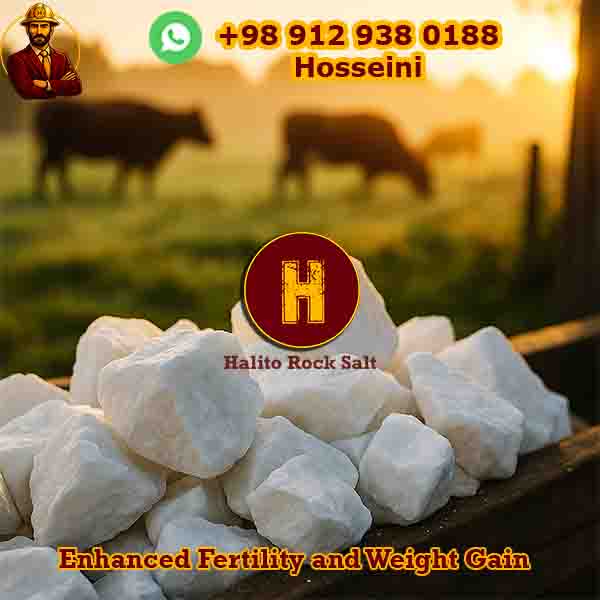
Enhanced Fertility and Weight Gain
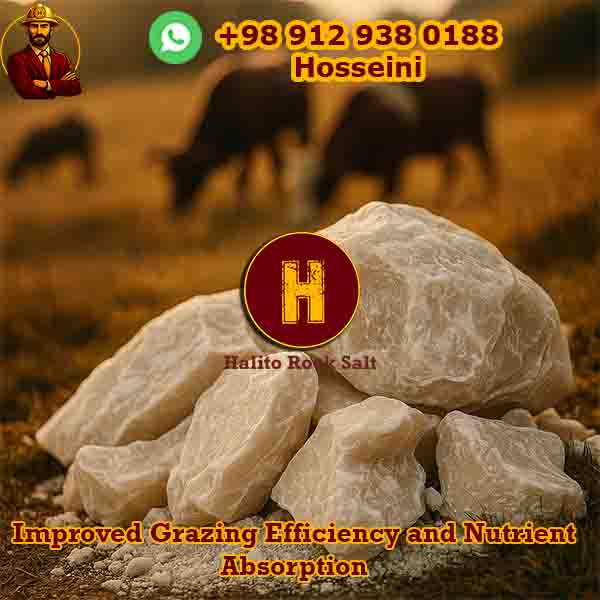
The reproductive capacity and growth rate of cattle are two critical indicators of herd productivity. Both depend heavily on mineral balance, hydration, and enzyme regulation—factors directly improved by the use of natural rock salt. In Georgia’s livestock context, where temperature and forage quality vary widely, salt supplementation supports hormonal stability and the efficient functioning of the endocrine system. Sodium plays a key role in maintaining blood osmotic pressure, which influences ovulation cycles and sperm viability.
Regular intake of natural rock salt stimulates appetite, enabling higher feed intake and faster weight conversion. Unlike refined salts, unprocessed Halito rock salt contains magnesium, calcium, and trace zinc that collectively support bone density and muscle development. Farmers often observe steady improvement in calving rates and healthier offspring once mineral blocks are integrated into daily feeding routines. Moreover, better hydration ensures nutrient transfer to tissues and enhances fetal growth during pregnancy.
Research on mineral-fed herds across the Caucasus shows that consistent salt access can increase average daily live-weight gain by up to 10% and improve fertility indexes by 15–20%. For Georgia’s cattle farms aiming for premium meat and dairy standards, introducing Halito natural rock salt represents a low-cost yet high-impact intervention—raising both short-term productivity and long-term genetic performance across generations.
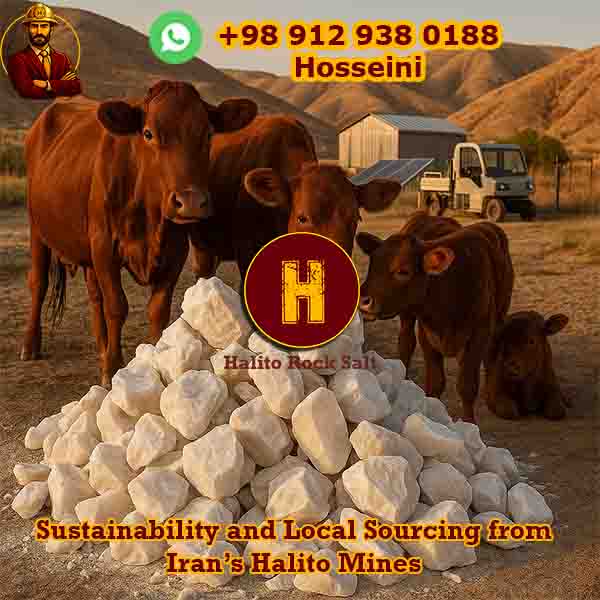
Sustainability and Local Sourcing from Iran’s Halito Mines
The global movement toward sustainable agricultural inputs has reached Georgia’s livestock sector, emphasizing natural sources and ethical procurement. Iran’s Halito Mines are recognized across the region for extracting rock salt with minimal environmental disruption. The production process excludes chemical refining and excessive water usage, offering raw mineral salt in its native crystalline form—preserving both purity and ecological balance.
Sustainability in mineral supply doesn’t stop at mining—it extends through logistics, packaging, and community benefits. Rock salt exported by Halito is processed using energy-efficient crushing systems and is transported via eco-optimized routes to minimize carbon footprint. This adherence to green export principles ensures Georgian farms receive high-grade mineral feed without compromising environmental integrity.
Beyond ecological considerations, local sourcing from a nearby region like Iran reduces dependency on distant suppliers, cuts shipment time, and promotes regional trade synergy. Halito’s rock salt blocks and granules undergo stringent quality checks to comply with EU and EAEU feed standards, making them a sustainable yet powerful alternative to synthetic additives. For Georgia’s expanding cattle industry, reliable mineral supply from Halito creates a win-win balance—improved animal health backed by responsible resource stewardship.
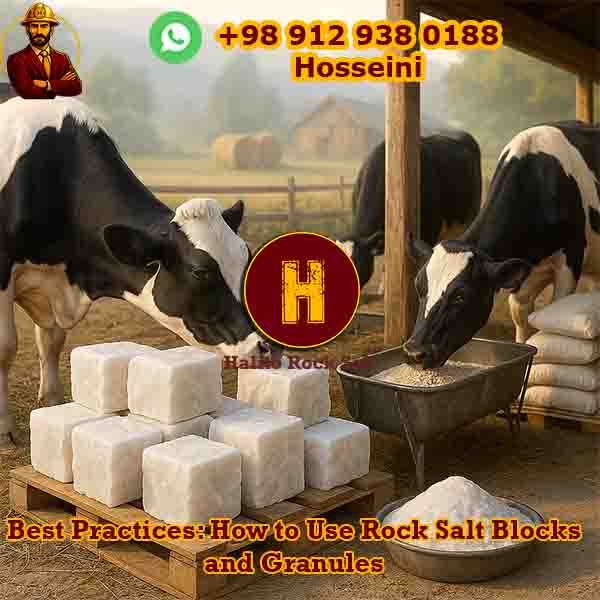
Best Practices: How to Use Rock Salt Blocks and Granules
The success of mineral supplementation depends not only on product purity but also on how it is delivered to the herd. Rock salt from Halito can be provided in solid blocks or crushed granules, and each form has its optimal use scenario. Salt blocks are ideal for open grazing systems, where cattle can lick at will, maintaining self‑regulated intake. They withstand Georgia’s humid and cold environments well due to their dense crystalline structure and slow dissolution rate.
Granular rock salt, on the other hand, blends conveniently with feed concentrates and silage. It ensures even mineral distribution in mixed rations, particularly for dairy cattle kept in semi‑confined barns. When integrating granules, farmers should monitor overall sodium content to avoid over‑supplementation. A balanced daily allowance—typically 50–100 grams per adult animal depending on body weight and feed moisture—supports electrolyte stability and prevents dehydration.
Proper storage conditions also play a critical role. Salt blocks and bags must be kept on dry wooden pallets, protected from direct rain contact, to preserve crystal integrity. In Georgia’s coastal or mountainous climates, these handling practices minimize waste and guarantee long‑term mineral efficiency. When used consistently, Halito rock salt becomes an effortless part of daily herd management—natural, precise, and sustainably effective.
Real Results from Georgia Farmers
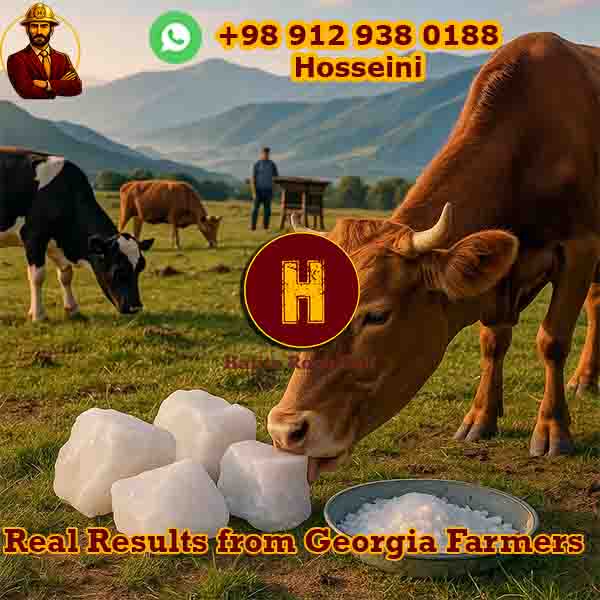
Across Georgia’s key cattle regions—Kakheti, Kvemo Kartli, and Samtskhe–Javakheti—farmers have started observing tangible benefits after switching to Halito natural rock salt supplementation. Herds grazing freely on mineral-balanced pastures demonstrate remarkable improvements in coat shine, appetite stability, and body condition. Reports indicate higher milk yields and faster post‑calving recovery among dairy herds supplied with consistent mineral intake through salt blocks and granules.
One cooperative in Guria documented a 9–12% increase in average live‑weight gain compared to herds using synthetic additives. Cattle also showed better grazing patterns and reduced signs of pica behavior—an indicator of normalized mineral balance. Farmers emphasize that rock salt’s trace mineral profile appears to strengthen immunity, helping animals maintain robust health through the cold mountainous winters typical of Georgian highlands.
These real‑world outcomes confirm that mineral nutrition is not a theory but an essential operational parameter for herd health. Natural salt supplementation from Halito provides measurable, cost‑effective results for small family farms and large dairy enterprises alike. Georgian producers increasingly regard mineral enrichment not as an expense but as a strategic investment toward sustainable livestock productivity.
Boost Your Herd’s Performance Naturally
For farmers and livestock producers across Georgia, moving toward natural mineral supplementation means investing in long‑term herd vitality and productivity. By choosing Halito natural rock salt, you integrate the Earth’s purest sodium source into your daily feeding routine—without synthetic fillers or chemical residues. The result is healthier cattle, stronger fertility cycles, efficient nutrient absorption, and higher live‑weight gains throughout the grazing season.
Each salt block or granule acts as a steady supply of essential minerals such as sodium, magnesium, and trace elements that balance rumen fermentation and water metabolism. Beyond animal health, consistent mineral intake reduces veterinary interventions and enhances feed conversion rates. Georgian cattle farms can therefore achieve superior performance using entirely natural, locally sourced mineral inputs.
It is time to turn mineral nutrition into a competitive advantage. Join progressive cattle farmers who rely on Halito rock salt from Iran’s sustainable mines—a proven solution trusted across the Caucasus. Strengthen your herd from the mineral up, improve productivity every season, and keep your farm operations truly natural.


