

Dishwasher Salt Essential for Spotless Dishes and Machine Longevity, afforadable price, in 25 kg bag, supply to Azerbaijan, Georgia and Iraq.

Introduction
Dishwasher salt, a specialized product designed to improve the efficiency and performance of dishwashers, has become an indispensable part of modern kitchens. Despite its name, dishwasher salt is not used for cleaning dishes directly but plays a critical role in maintaining water softeners within dishwashers. Hard water, which contains high levels of calcium and magnesium, can negatively impact both the cleaning results and the machine itself. Dishwasher salt solves this problem, ensuring sparkling dishes and extending the lifespan of dishwashers.
In this article, we will delve into the science behind dishwasher salt, its benefits, proper usage, and why it is essential for anyone using a dishwasher, especially in areas with hard water.

What Is Dishwasher Salt?
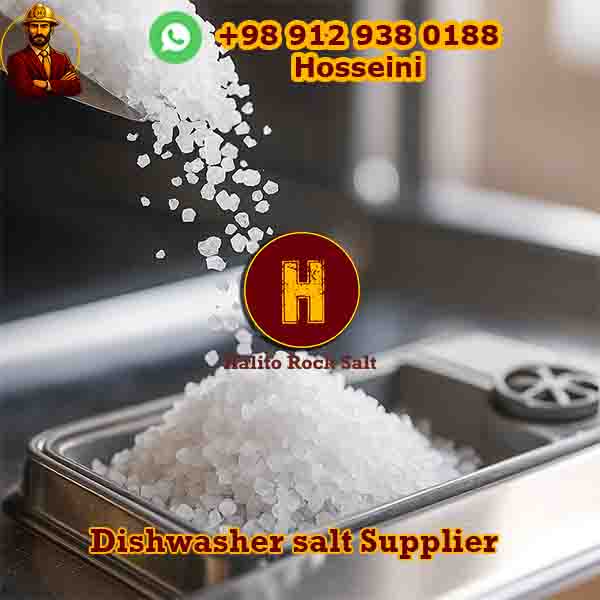
Dishwasher salt is made of pure sodium chloride (NaCl), similar to table salt but without any added impurities like iodine or anti-caking agents. These additives, which are harmless in cooking, can interfere with the dishwasher’s operation by causing blockages or residue buildup. Dishwasher salt is specifically designed to dissolve efficiently and keep the machine’s water softening system functioning optimally.
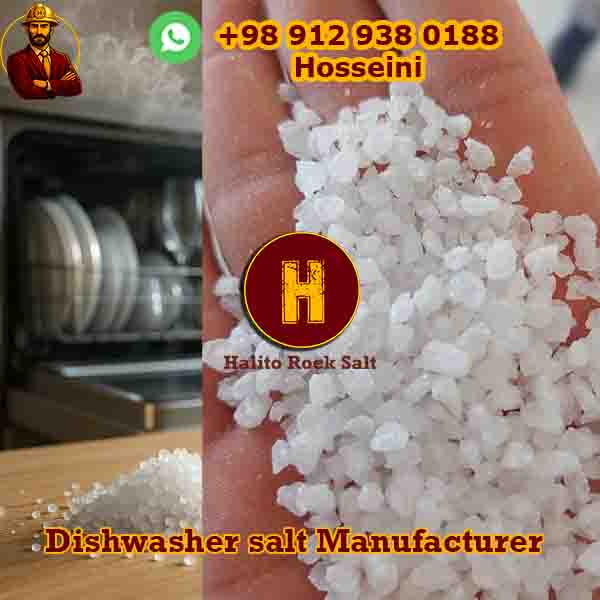
The salt typically comes in granular form, ensuring slow and even dissolution in the water softening unit of the dishwasher. This is critical because the salt needs to regenerate the ion exchange resins that remove calcium and magnesium from the water.
How Does Dishwasher Salt Work?
Dishwashers in hard water areas are equipped with built-in water softeners to tackle the issues caused by mineral deposits. The water softener contains resin beads that attract and trap calcium and magnesium ions. Over time, these beads lose their effectiveness as they become saturated with minerals.
Dishwasher salt regenerates the resin beads by replacing the calcium and magnesium ions with sodium ions. This process, known as ion exchange, restores the resin’s ability to soften water, ensuring that the dishwasher operates at peak performance. Softened water improves the efficiency of detergents, reduces streaking and spotting on dishes, and prevents limescale buildup on the machine’s internal components.

Benefits of Using Dishwasher Salt
1. Prevents Limescale Buildup
Limescale, a hard, chalky deposit caused by calcium and magnesium in hard water, can accumulate on heating elements, spray arms, and other parts of the dishwasher. Over time, this can lead to reduced efficiency and costly repairs. By softening the water, dishwasher salt prevents limescale formation, keeping the machine in optimal condition.
2. Enhances Cleaning Performance
Hard water can leave spots, streaks, and residue on dishes and glassware, even after a full cleaning cycle. By softening the water, dishwasher salt allows detergents to work more effectively, resulting in spotless, gleaming dishes.
3. Extends Dishwasher Lifespan
Regular use of dishwasher salt minimizes wear and tear caused by mineral deposits. This not only improves the machine’s efficiency but also extends its overall lifespan, reducing the need for frequent repairs or replacements.
4. Environmentally Friendly
Using dishwasher salt reduces the amount of detergent needed for cleaning, as softened water requires less soap to achieve the same results. This decreases the environmental impact by lowering chemical usage and waste.
When and How to Use Dishwasher Salt
1. Identifying the Need for Dishwasher Salt
Not all households require dishwasher salt — its necessity depends on the water hardness in your area.
In regions with soft water, the built-in softener may not need regular regeneration.
However, in hard water zones, dishwasher salt is essential for optimal performance.
Most machines feature an indicator light to show when the salt reservoir is low.
Regular refilling prevents efficiency loss and keeps dishes spotless.
2. Filling the Salt Reservoir
Dishwashers are equipped with a dedicated salt compartment, usually located at the bottom of the machine. To fill it:
1. Open the salt compartment cap.
2. Use a funnel to pour the salt into the reservoir.
3. Fill it until the compartment is full, avoiding spillage.
4. Replace the cap securely.
It is essential to use only dishwasher salt and not substitutes like table salt, as impurities can damage the water softener and compromise performance.
Most machines feature an indicator light to show when the salt reservoir is low.
Regular refilling prevents efficiency loss and keeps dishes spotless.
Common Myths About Dishwasher Salt
1. Dishwasher Salt Cleans the Dishes
Dishwasher salt does not clean dishes directly. Its role is limited to softening water and maintaining the efficiency of the water softener. Detergents and rinse aids handle the actual cleaning process.
2. Regular Table Salt Can Be Used Instead
While table salt may seem like a convenient alternative, it contains additives that can damage the water softener and clog the dishwasher. Always use specially formulated dishwasher salt.
3. Dishwasher Salt Is Only for Hard Water Areas
Even in areas with moderately hard water, using dishwasher salt can enhance cleaning performance and prevent minor limescale buildup. It ensures consistent results, regardless of water hardness levels.
Choosing the Right Dishwasher Salt
The European market offers a wide range of dishwasher salt brands, catering to diverse needs and preferences. Key factors to consider when choosing a product include:
- 1. Purity: Look for 100% sodium chloride without additives.
- 2. Granule Size: Opt for coarse grains that dissolve slowly and evenly.
- 3. Brand Reputation: Established brands often offer superior quality and reliability.
- 4. Packaging: Environmentally friendly packaging is a bonus for eco-conscious consumers.
Dishwasher Salt and Sustainability
With growing environmental awareness, manufacturers are focusing on sustainable production and packaging for dishwasher salt. Recyclable or biodegradable packaging, eco-friendly manufacturing processes, and reduced carbon footprints are becoming standard practices in the industry. Consumers can contribute to sustainability by choosing products that align with these values.
Frequently Asked Questions About Dishwasher Salt
1. Can I Overfill the Salt Compartment?
While overfilling is not harmful, it can cause spillage, leading to unnecessary waste. Filling the reservoir to the recommended level is sufficient.
2. What Happens If I Don’t Use Dishwasher Salt?
In hard water areas, skipping dishwasher salt can lead to poor cleaning results, limescale buildup, and reduced machine efficiency. Over time, this may result in costly repairs or replacements.
3. How Often Should I Refill the Salt?
The frequency of refills depends on the hardness of the water and the dishwasher’s usage. On average, the salt reservoir needs refilling every 1–2 months in hard water areas.
Conclusion
Dishwasher salt is an essential component for maintaining the efficiency and longevity of dishwashers, especially in areas with hard water. Its ability to soften water, prevent limescale, and enhance cleaning performance makes it indispensable for achieving spotless dishes and protecting the machine.
By choosing high-quality dishwasher salt and using it consistently, households can enjoy the benefits of better cleaning results, lower maintenance costs, and an extended dishwasher lifespan. As more consumers recognize its importance, dishwasher salt continues to be a key player in ensuring modern kitchens operate smoothly and efficiently.


Leave a Reply
Want to join the discussion?Feel free to contribute!